




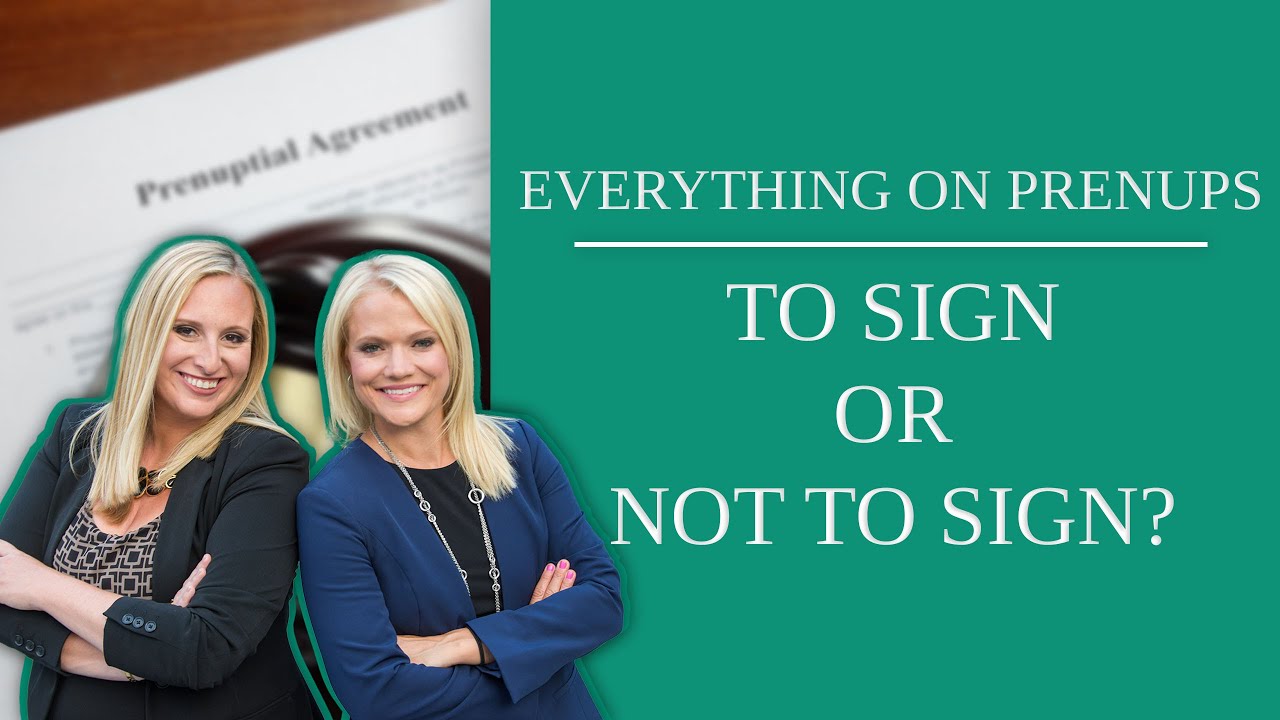
A pre-nuptial agreement is a written contract you and your future spouse sign before marriage that sets out how property, debts, and support would be handled if the marriage ends. Couples across Connecticut use these agreements to protect assets, clarify expectations, and reduce future conflict, often with guidance from Wolf & Shore Law Group.
What Is A Pre-Nuptial Agreement?
At its core, the contract lets two people decide their own financial rules instead of relying on default divorce law. A pre-nuptial agreement attorney in Connecticut can shape terms that fit your situation, whether you own a business, carry student debt, or want to protect children from a prior relationship.
Connecticut courts treat a valid agreement as a binding contract, so the terms you choose can control how a Superior Court divides what you own. The point is not to plan for failure, but to remove uncertainty and keep both people on the same page.
Who Should Consider A Prenup?
Prenups are not only for the wealthy, and many ordinary couples find them useful for honest financial planning. A pre-nuptial agreement often makes sense when one or both partners bring certain things into the marriage:
- Ownership in a business or practice
- Significant savings or investments
- Children from a previous relationship
- Family inheritance or property
- Notable debt brought into the marriage
Even couples with relatively simple finances use prenuptial agreements to establish expectations about income, spending, and the treatment of future earnings. The purpose is to create clarity so that both partners enter the marriage with a shared understanding of their financial arrangements.
What Can and Cannot Go In A Pre-Nuptial Agreement?
Connecticut law gives couples wide room to decide property and support terms, but it draws firm limits around children. A pre-nuptial agreement can address matters such as:
- Division of property and assets
- Responsibility for existing debts
- Spousal support or its waiver
- Rights to a business or pension
- Terms for wills and estate plans
Some terms are off the table, no matter what you both want. Under Connecticut General Statutes § 46b-36d, a prenup cannot limit or waive a child’s right to support, and any custody or parenting terms stay subject to a judge’s review and modification. A court can also set aside terms that violate public policy.
What Makes A Prenup Enforceable?
A Connecticut judge will uphold a prenup only when it meets clear fairness standards. The agreement must be in writing and signed by both people, and each partner needs a fair and reasonable picture of the other’s finances before signing.
A court can refuse to enforce an agreement signed under pressure, one that hides assets, or one so one-sided it shocks the conscience. Each partner should also have a real chance to consult independent counsel, which is why pressuring someone into a prenup often backfires in court.
Plan Your Marriage With Clear Financial Footing
Our all-female practice builds agreements that hold up when they matter most. For Connecticut pre-nuptial agreements attorneys who protect both sides, Wolf & Shore Law Group serves New Haven County, Hartford County, and Middlesex County with honest advice and careful drafting. Call (203) 745-3151 to book your consultation and start your marriage with confidence.
